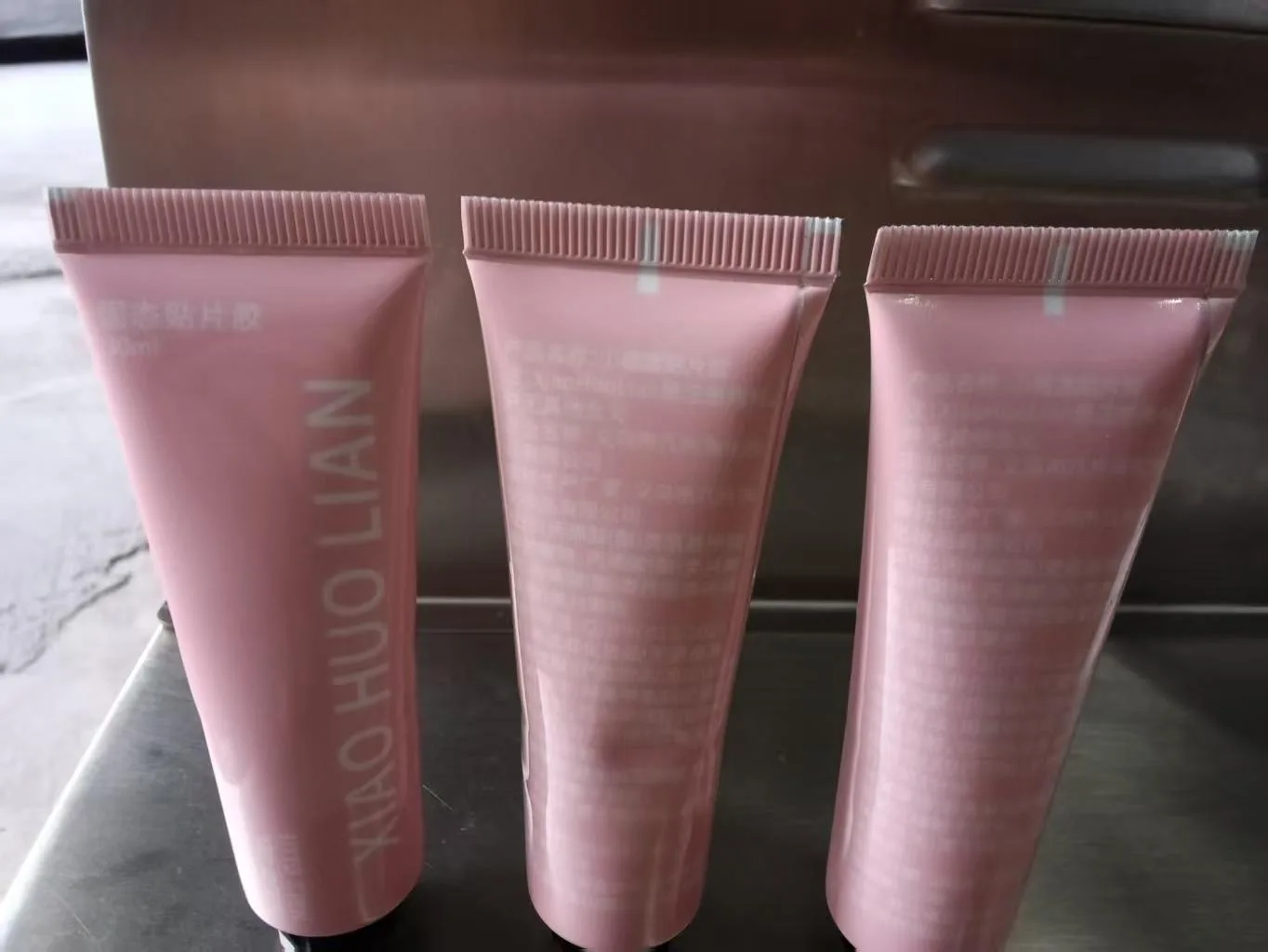
The product inside the tube, not the tube itself, decides which filling machine you need. Toothpaste needs a high-viscosity piston filler with a large bore; a cosmetic serum needs accurate low-volume dosing; an ointment needs a sanitary, easily cleaned product path; an adhesive needs a system that will not cure inside it. The same tube can carry all four — the machine cannot.
What changes with the product
Four properties separate one product family from another, and each one pushes the specification in a different direction:
- Viscosity. Determines the dosing principle and the bore of the piston. A thin lotion in a paste-sized cylinder gives poor accuracy; a paste in a liquid-sized nozzle will not flow fast enough.
- Hygiene requirement. Pharmaceuticals and oral care demand a product path that can be cleaned and, in some markets, validated. Cosmetics are less strict. Adhesives are usually the least strict and the most abrasive.
- Fill volume. A 5 ml eye gel and a 200 ml body lotion need different accuracy expressed in grams, even though both are “tubes”.
- Reactivity. Moisture-curing adhesives will set inside an open hopper. Two-component products need the two streams kept apart until the nozzle.
Product families at a glance
Fill volumes are indicative. The specification that matters is your own drawing and your own viscosity.
Toothpaste: the volume case
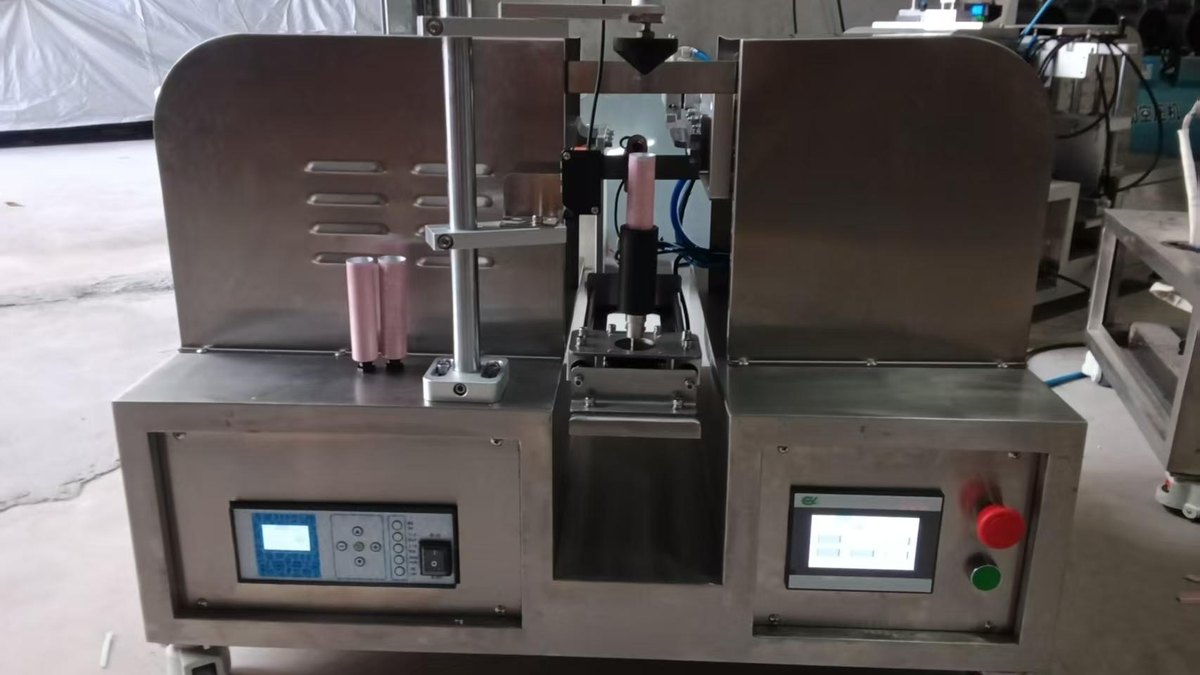
Toothpaste is the product family where output matters most, because the market is price-driven and the tube is cheap. Lines run fast, filling is by large-bore piston, and the tube is almost always a barrier laminate. The practical constraints are aeration at speed and wear from the abrasive paste.
If you are running toothpaste at any real volume, an automatic line with a tube magazine is usually the right answer, because the fill volume is large enough that manual loading becomes the bottleneck immediately. For sample or private-label runs, a semi-automatic platform is enough and far cheaper.
Cosmetics: the accuracy case
Cosmetic fills are smaller and the product is more valuable, so accuracy and gentle handling matter more than raw speed. A 30 ml serum with a 2 percent overfill is a real cost, and a cream that has been aerated by aggressive dosing will not look right in the tube.
This is also the family where dual-chamber tubes have become common: a gel phase and a cream phase, or a colour stripe inside a white base. Those need two dosing systems locked in ratio, not two machines running side by side — the whole point is that both components leave the same orifice at the same moment.
The failure mode is ratio drift: one chamber doses slightly under, and the customer sees a stripe that thins towards the end of the tube. It is invisible on a single sample and obvious across a pallet. Ask for a ratio check across a full run, not just at the start.
Pharmaceutical ointments: the documentation case
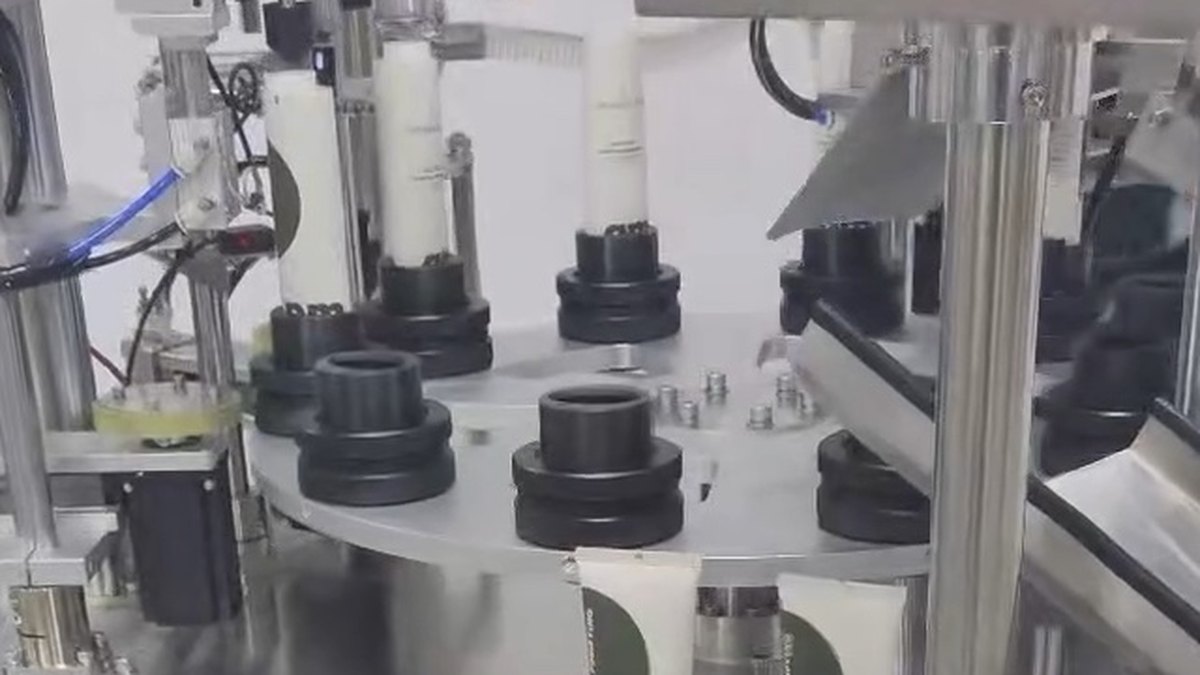
The machine is not usually the difficult part of a pharmaceutical tube line — the cleaning routine and the paperwork are. A product path with dead zones cannot be cleaned to a documented standard, and a machine that cannot be stripped down for inspection will fail an audit regardless of how well it fills.
Specify for cleanability first: smooth internal surfaces, minimal threaded connections, quick-release clamps, and a product hopper that empties completely. Then specify the dosing accuracy. Buyers who do it the other way round end up rebuilding the product path.
Adhesives and sealants: the reliability case
Adhesives are the family where the machine is most likely to fail for reasons that have nothing to do with filling. A moisture-curing polyurethane will set inside an open hopper overnight. A filled sealant will wear piston seals in weeks rather than years. A high-viscosity product may need a heated or pressurised feed just to move at a usable rate.
Specify sealed or purged product paths, a hopper that can be emptied and cleaned at the end of every shift, and a realistic wear-part budget. Ask what the seal life is on a product with your filler content — a supplier who has not been asked that question before will not have an answer.
How to choose when you run several families
Most factories do not run one product. The practical answer is to specify the machine against the hardest product you run, not the easiest: the one that is most viscous, most abrasive, or most sensitive to contamination. A machine sized for the difficult case will handle the easy ones with a change of tooling; the reverse is never true.
The second rule is to count changeovers, not products. Five products that change once a quarter is a different machine requirement from five products that change every week, and the difference shows up in cleaning design and tooling, not in output figures.
Questions buyers ask before ordering
Can one machine fill both toothpaste and cream?
Do I need a different machine for aluminium tubes?
What fill accuracy should I ask for on a cosmetic product?
How do I handle a product that foams?
Related reading
Related guides
- Single-dose tube filling for cosmetic samples
- Plastic, laminated or aluminium tube — choosing the material
- The complete guide to tube filling & sealing machines
Tell us the product — we will tell you the dosing system
Send the tube drawing or a physical sample and we will run it, then tell you which model, which tooling and what it will cost — before you commit to anything.